
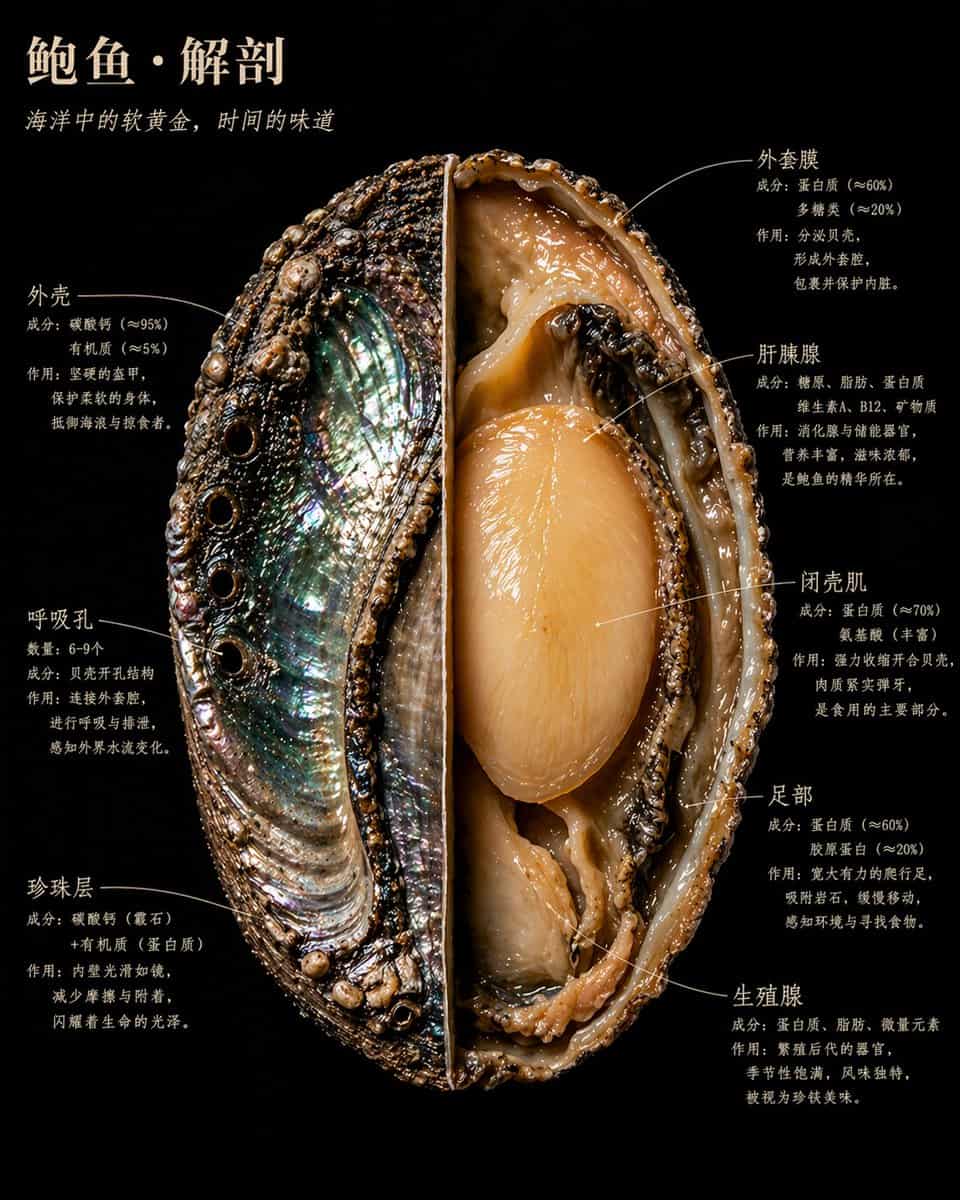
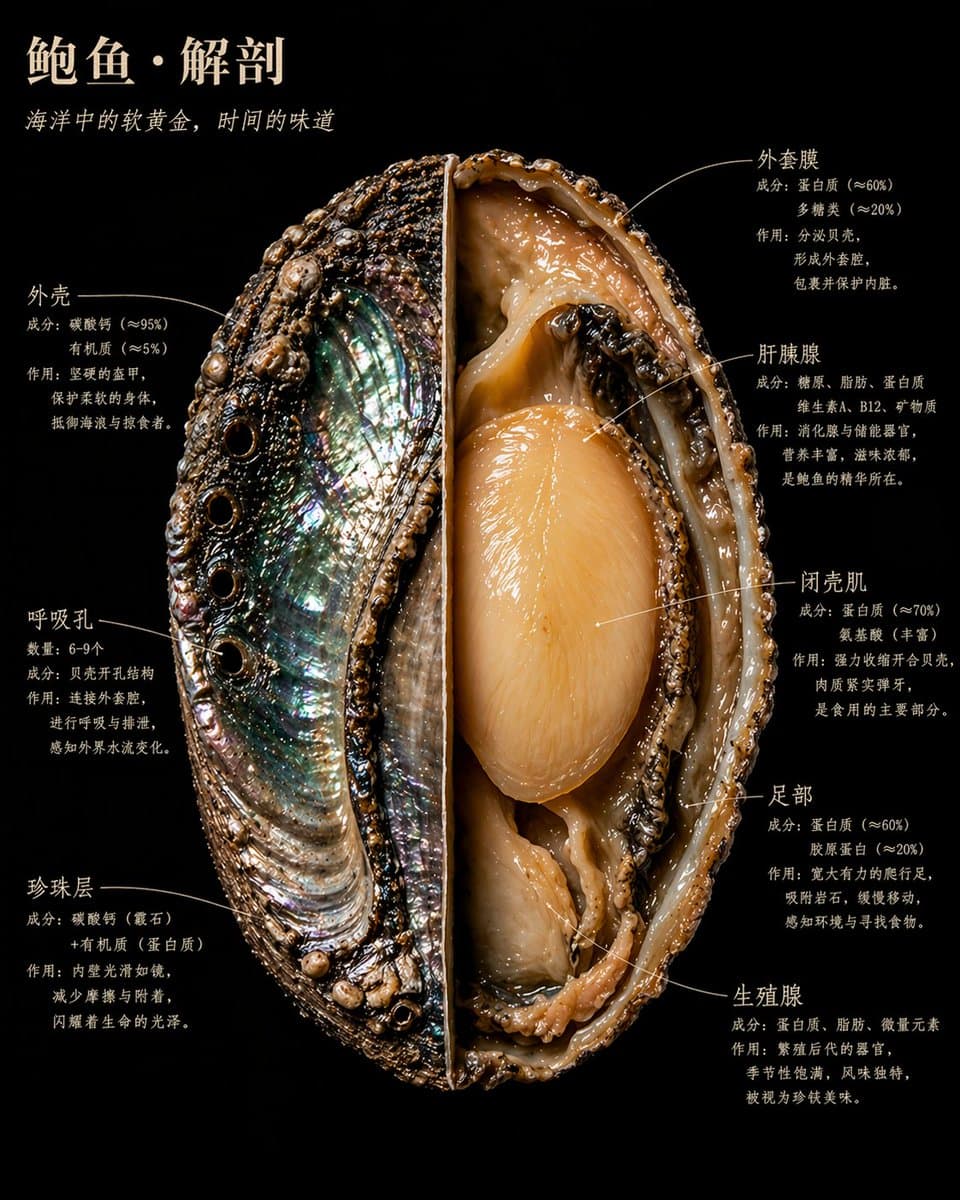
Naturalist-Style Food Specimen Cross-Section
A piece/piece/piece of [food name], dissected in the same way that a master naturalist would discover specimens in the wild. Cut open, unfold, and fix - like precious collections in a museum, But it’s illuminated by the…
Prompt
A piece/piece/piece of [food name], dissected in the same way that a master naturalist would discover specimens in the wild. Cut open, unfold, and fix - like precious collections in a museum, But it’s illuminated by the light of Caravaggio’s time as a photographer for National Geographic. Each interior structure shines with its own material truth. The cross section is almost violently sharp. The interior is almost divinely beautiful. The complete specimen is presented on the screen: Keep half of it as it is, showing [external surface description: texture/color/texture]; The other half is cut open to the core, and [internal core structure description: the most important 1-2 internal visual features] are clearly visible. [Add 1-2 sentences to describe the most visually interesting cross-sectional details of the food] Background: Sheer black velvet. [Food Name] is suspended in it, like something precious and dangerous. The annotation text is close to the edge of the structure, and the handwriting-like serif font never floats in the air. The screen contains the following annotations, each with three lines: the first line is the structure name, the second line is ingredient data, and the third line is a human quote: [Structure 01 name] [Ingredients/Data Description] [What does this structure do and why is it important] [Structure 02 name] [Ingredients/Data Description] [What does this structure do and why is it important] [Structure 03 name] [Ingredients/Data Description] [What does this structure do and why is it important] [Structure 04 name] [Ingredients/Data Description] [What does this structure do and why is it important] [Structure 05 name] [Ingredients/Data Description] [What does this structure do and why is it important] [Structure 06 Name] [Ingredients/Data Description] [What does this structure do and why is it important] Omit others if any and continue to maintain this format Main title, upper left corner, warm ivory white capital font: 【Food name】·Anatomy The subtitle in italics immediately follows: [A sentence that reveals the essence of this food, no more than 15 words] Overall temperament: Audubon Museum illustrations × Caravaggio light and shadow × the most beautiful scientific photography in history. 4K precision, specimen illumination, ultimate interior detail. Nothing clinical, everything feels alive. Realistic style, not schematic, not cartoon, not simplified illustration. Each material has real physical texture: Rough, smooth, moist, dry, dense, loose.
How to use this prompt
Read the complete Naturalist-Style Food Specimen Cross-Section prompt and identify the subject, style, camera, lighting, and composition requirements before generating.
Replace bracketed or argument-style placeholders with your product, character, brand, scene, color palette, or aspect ratio requirements.
Open https://www.gptimagehub.com/generate?promptId=cmogwxky60097zpdyblp57rh0, generate the image, then refine the prompt with more specific subject, text, layout, or negative constraints if needed.
Prompt FAQ
What is the Naturalist-Style Food Specimen Cross-Section prompt best used for?
This prompt is best used for ui / ux design images where you want a reusable structure, detailed visual direction, and consistent output quality.
Can I edit the prompt before generating?
Yes. The full prompt text is visible on this page so you can change subjects, product names, colors, composition, camera terms, aspect ratio, and style notes before generation.
Which model should I use with this prompt?
Use the model shown in the prompt metadata as the default starting point. If another image model supports the same aspect ratio and instruction style, you can adapt the prompt and compare results.