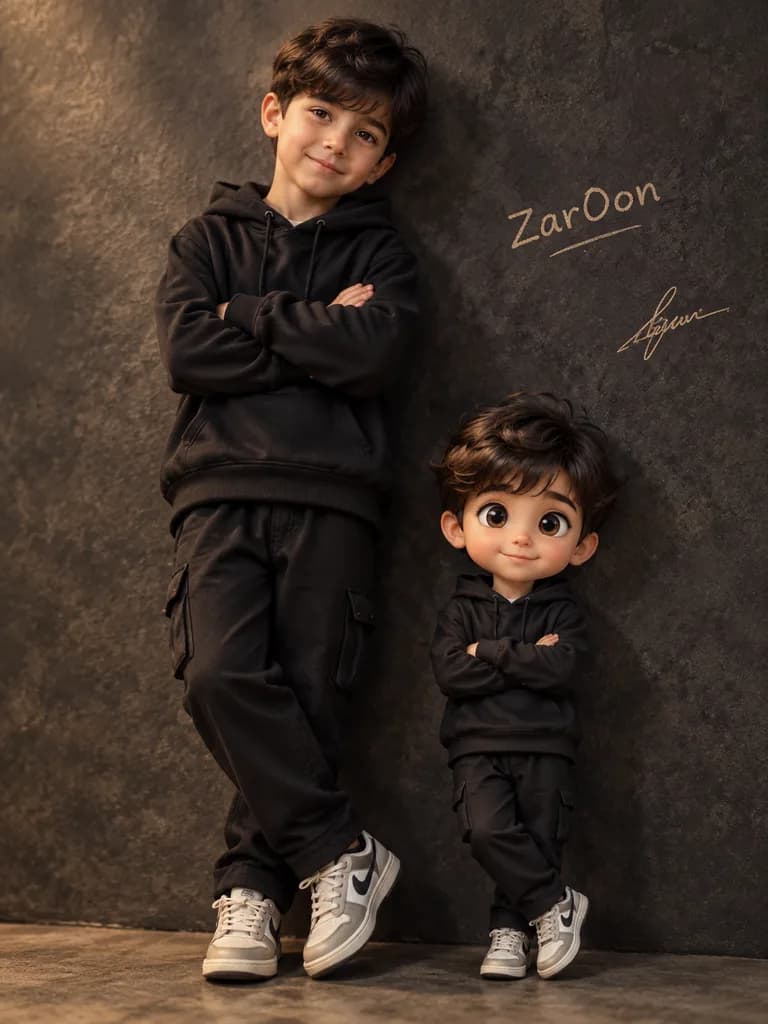
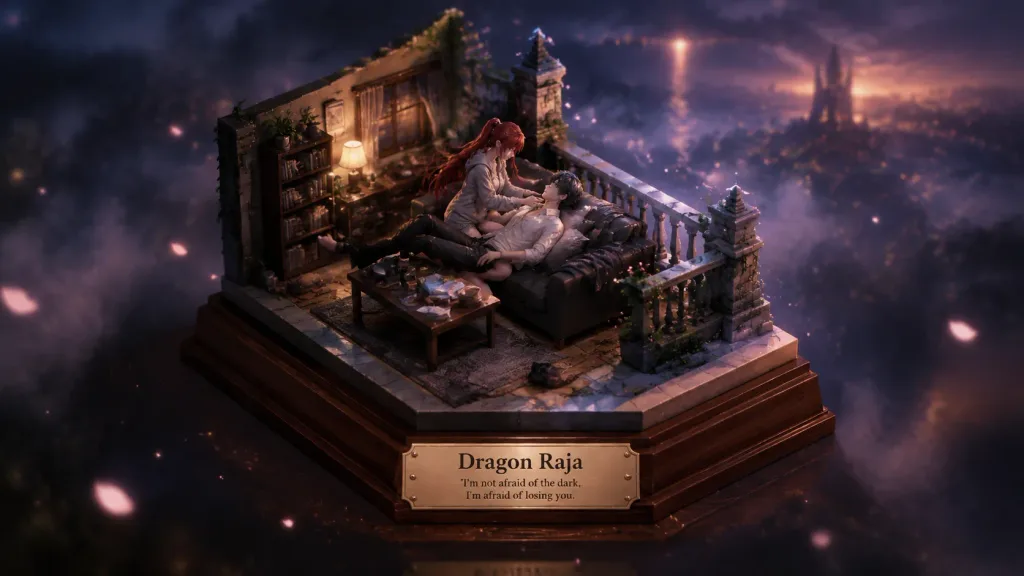
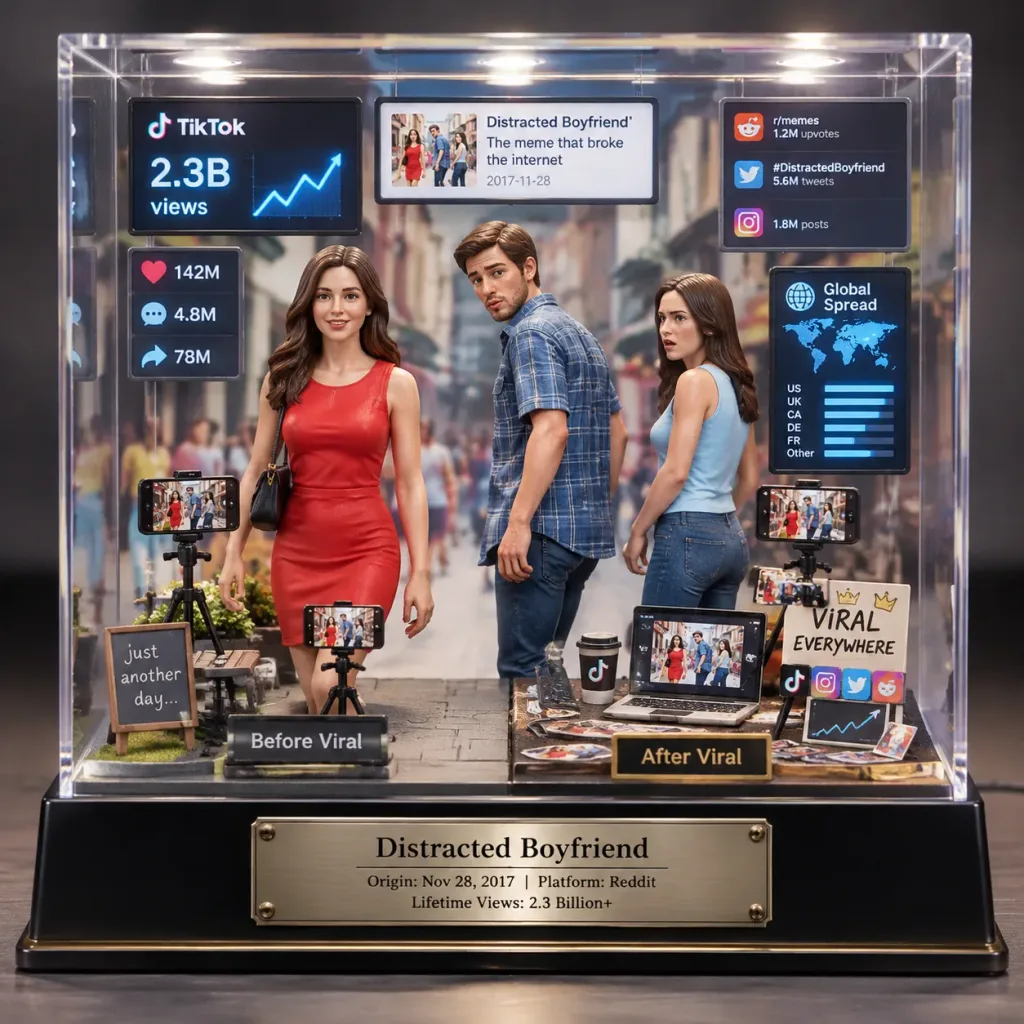
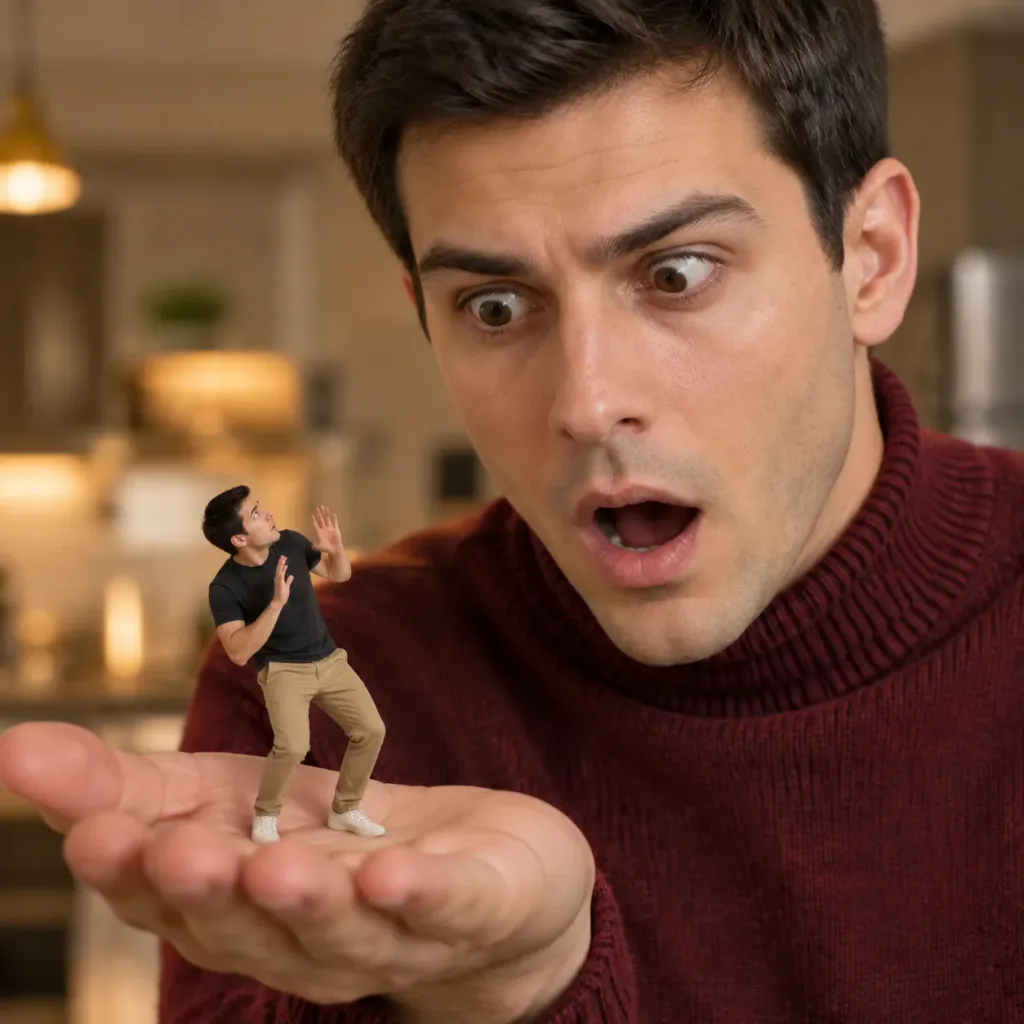
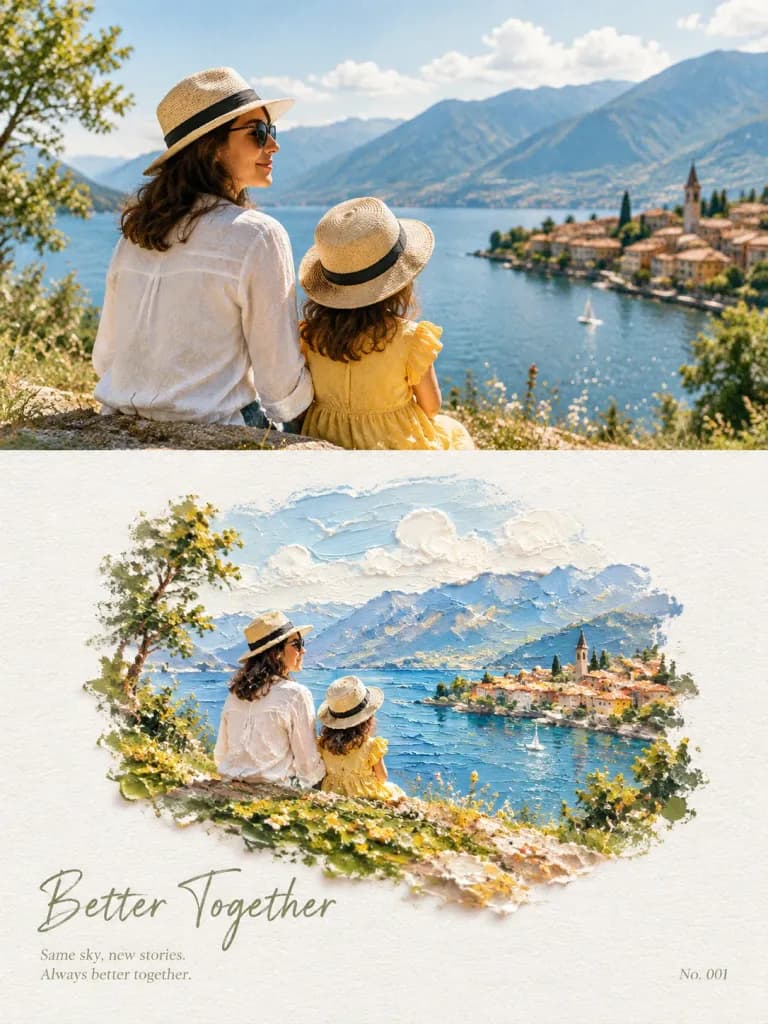
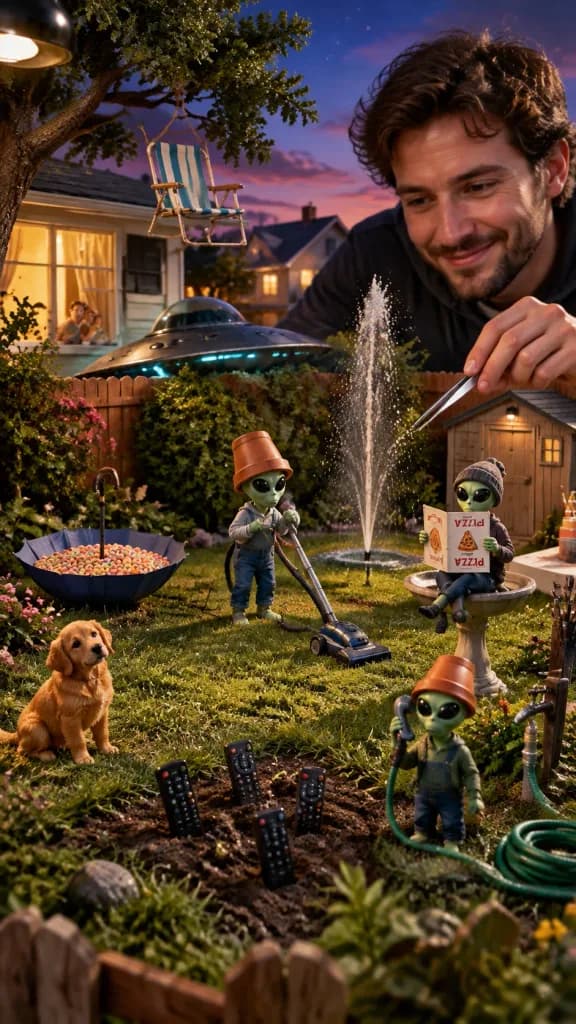
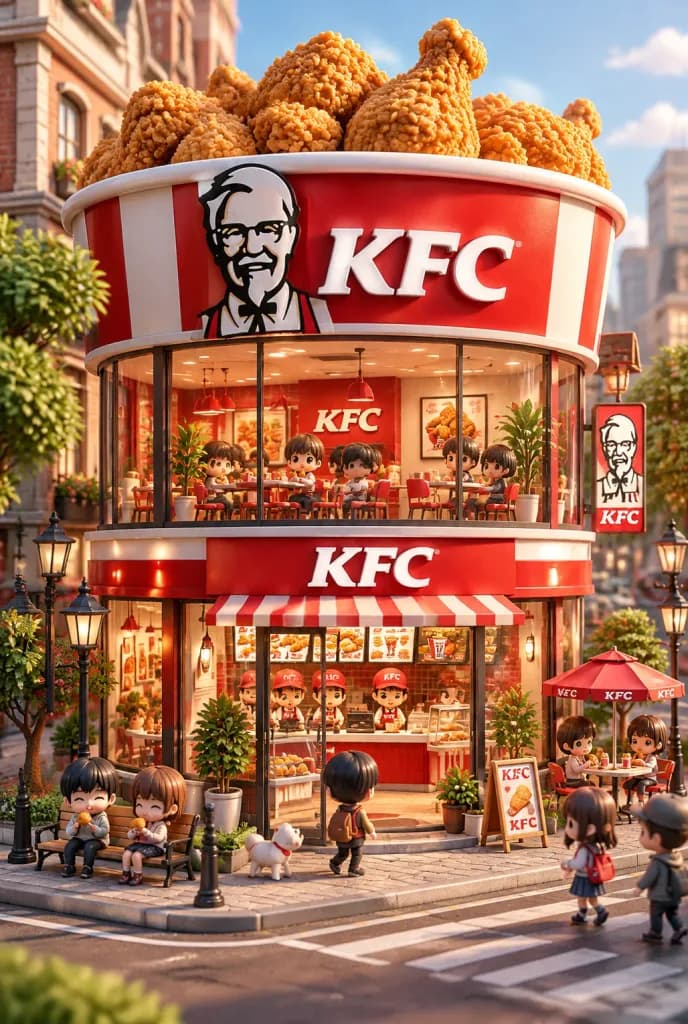
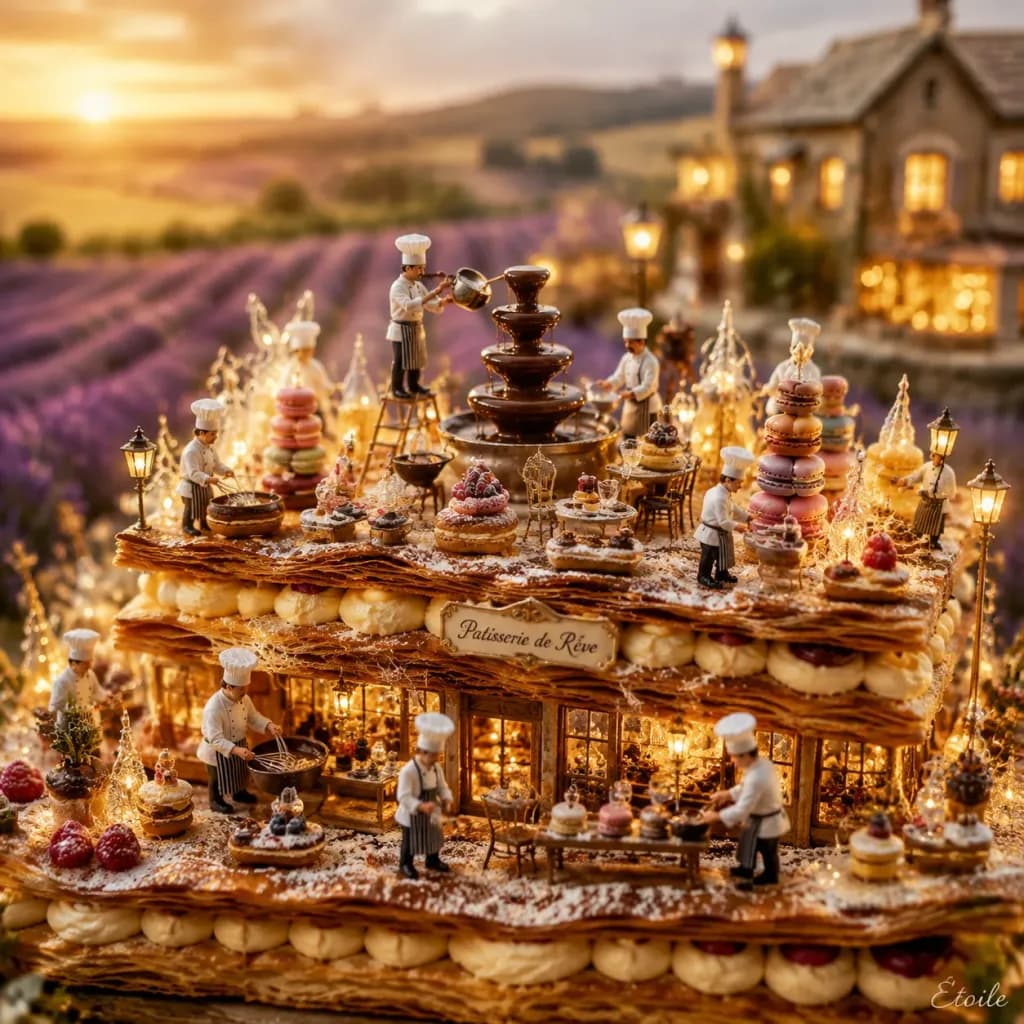
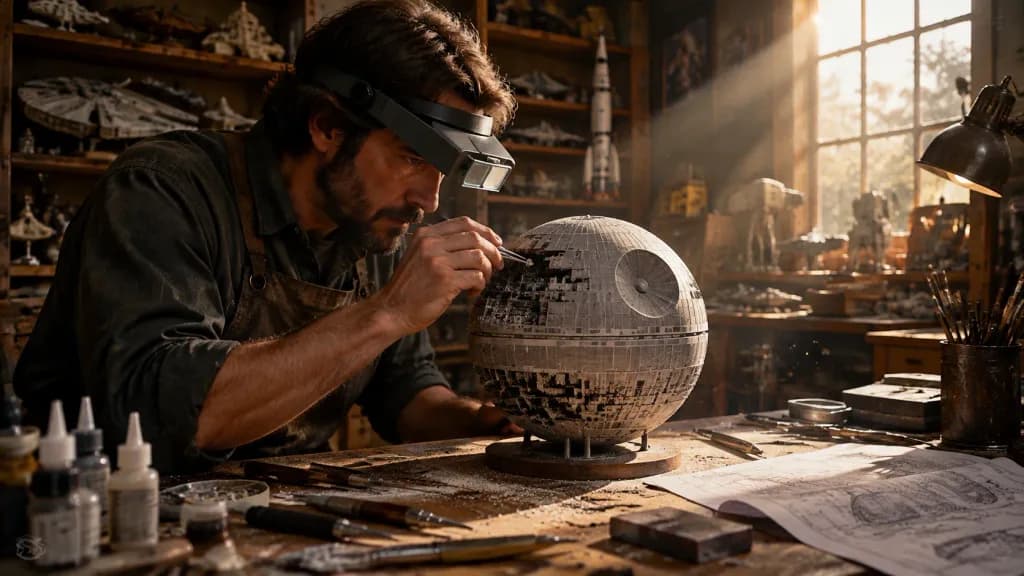
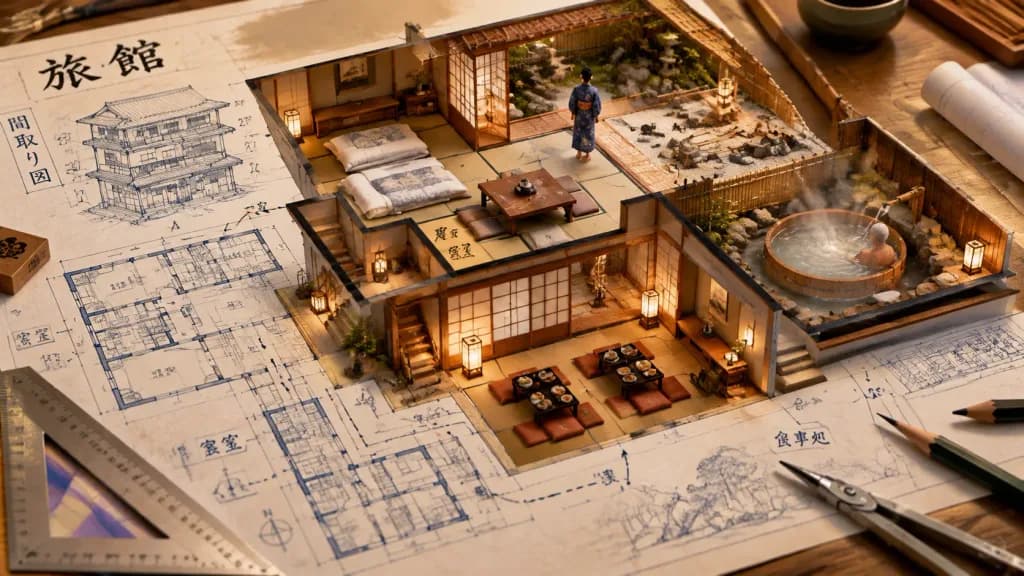
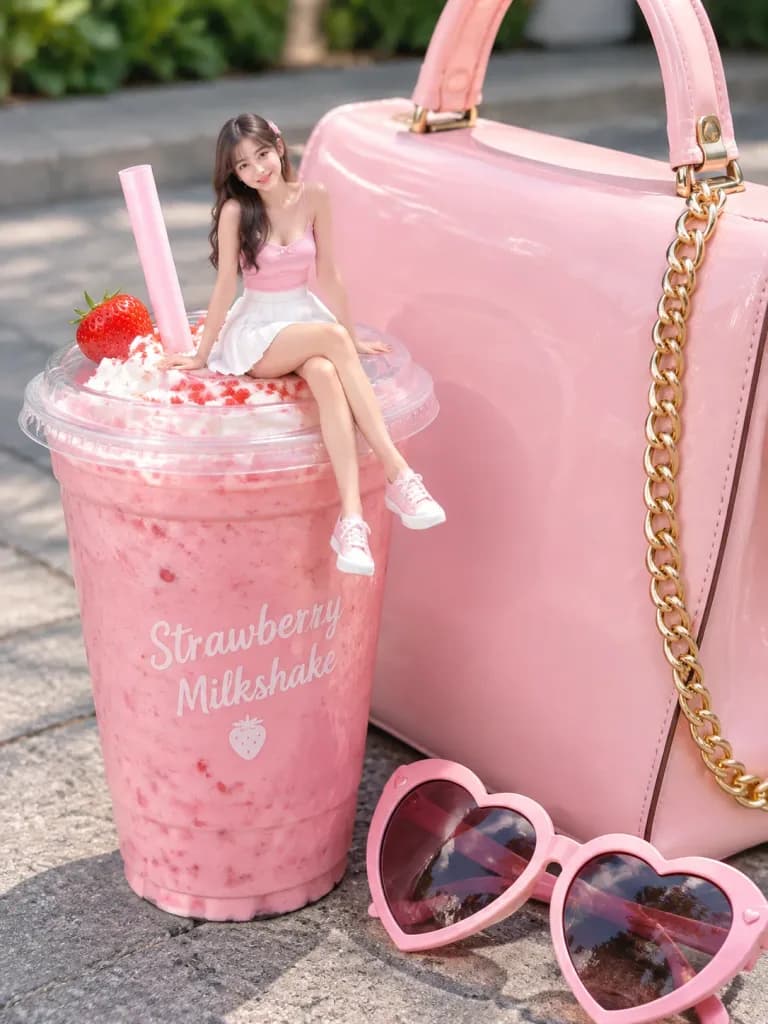
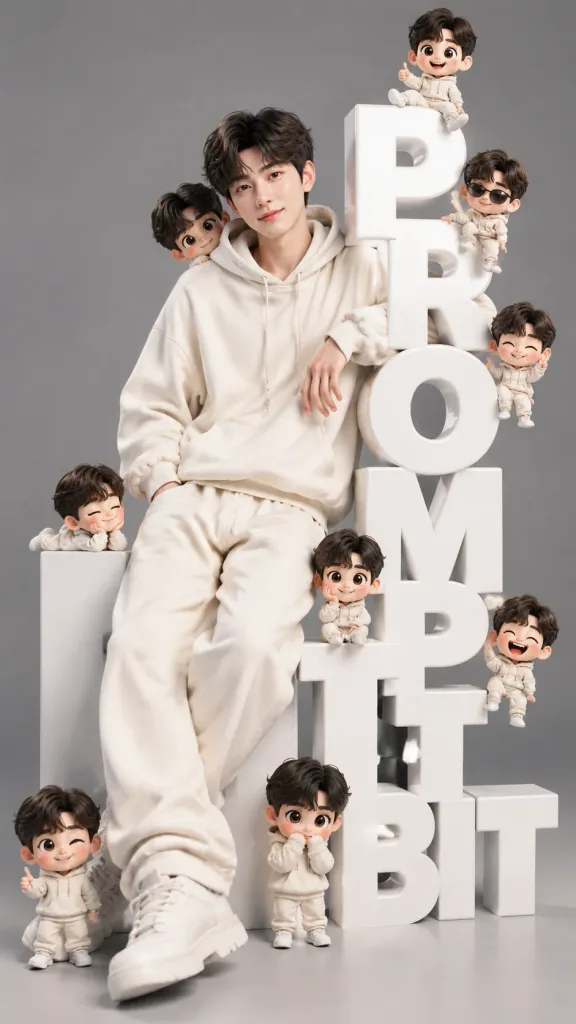
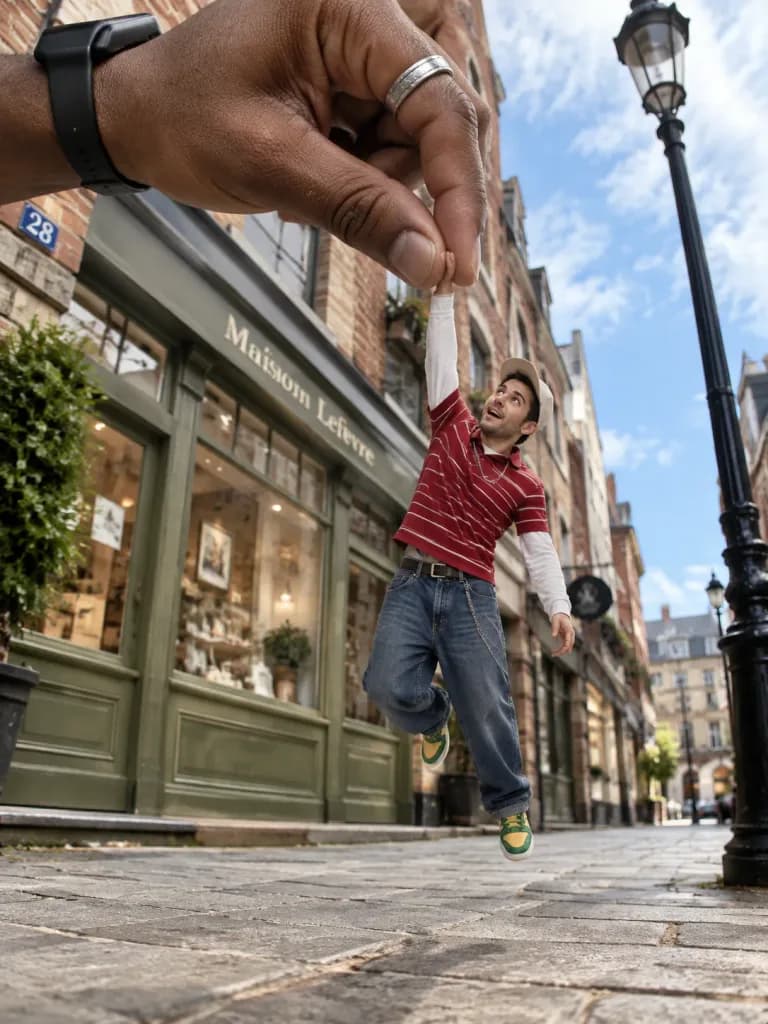
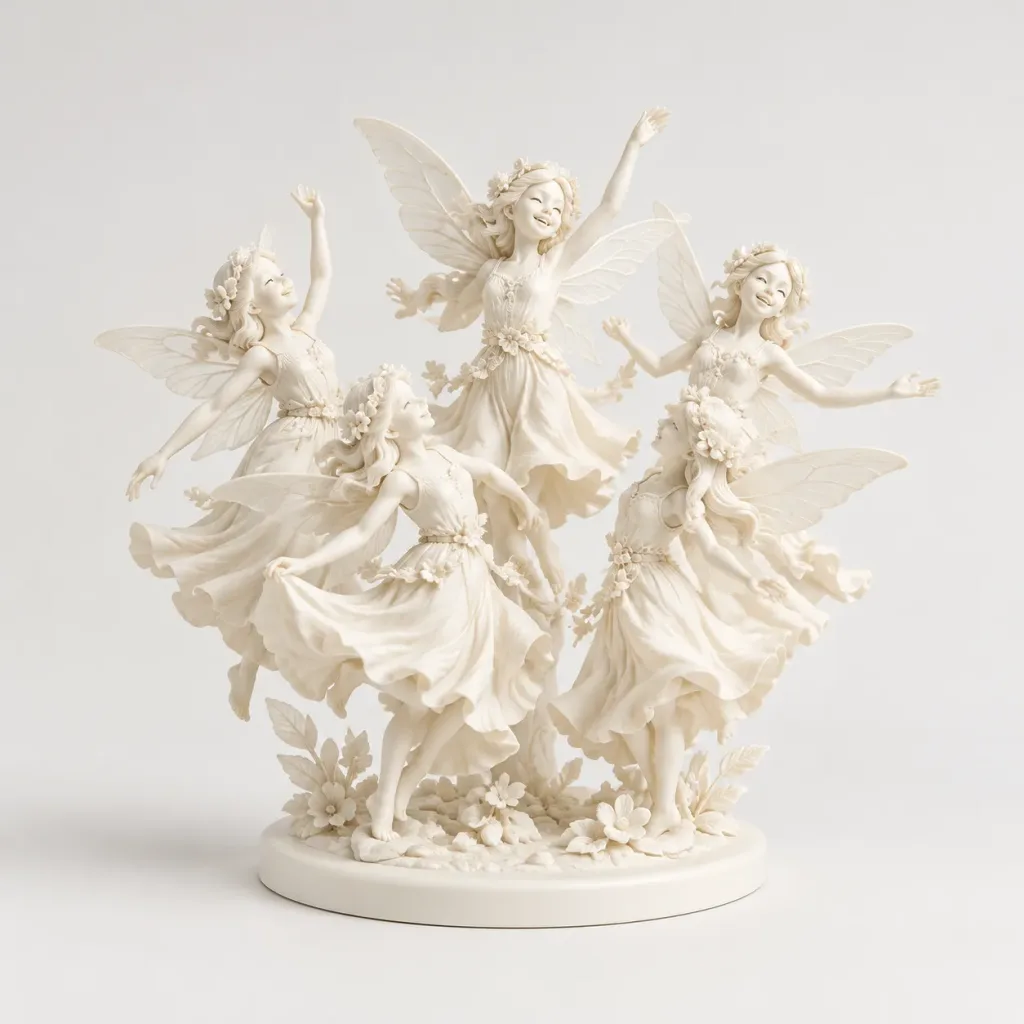
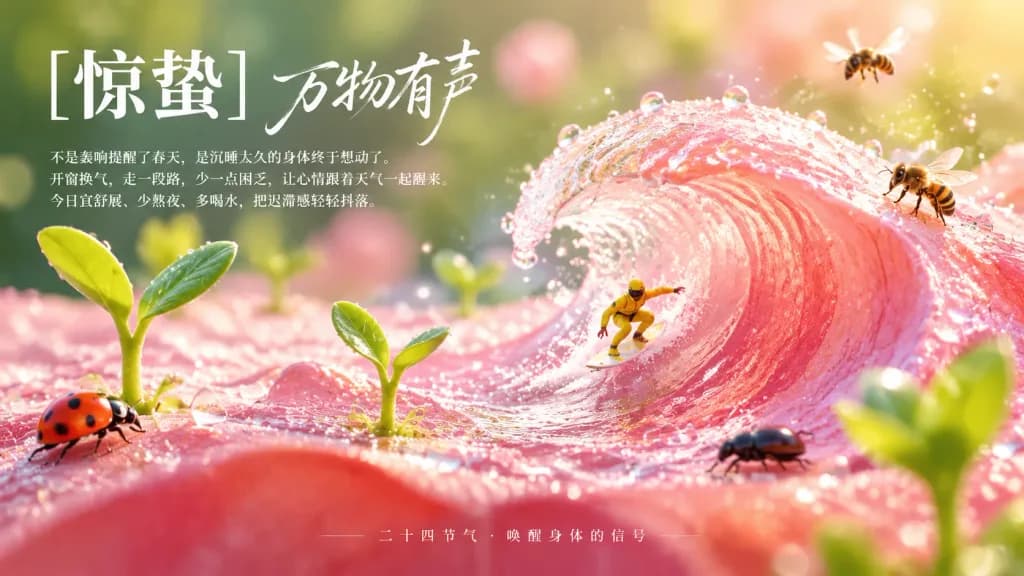
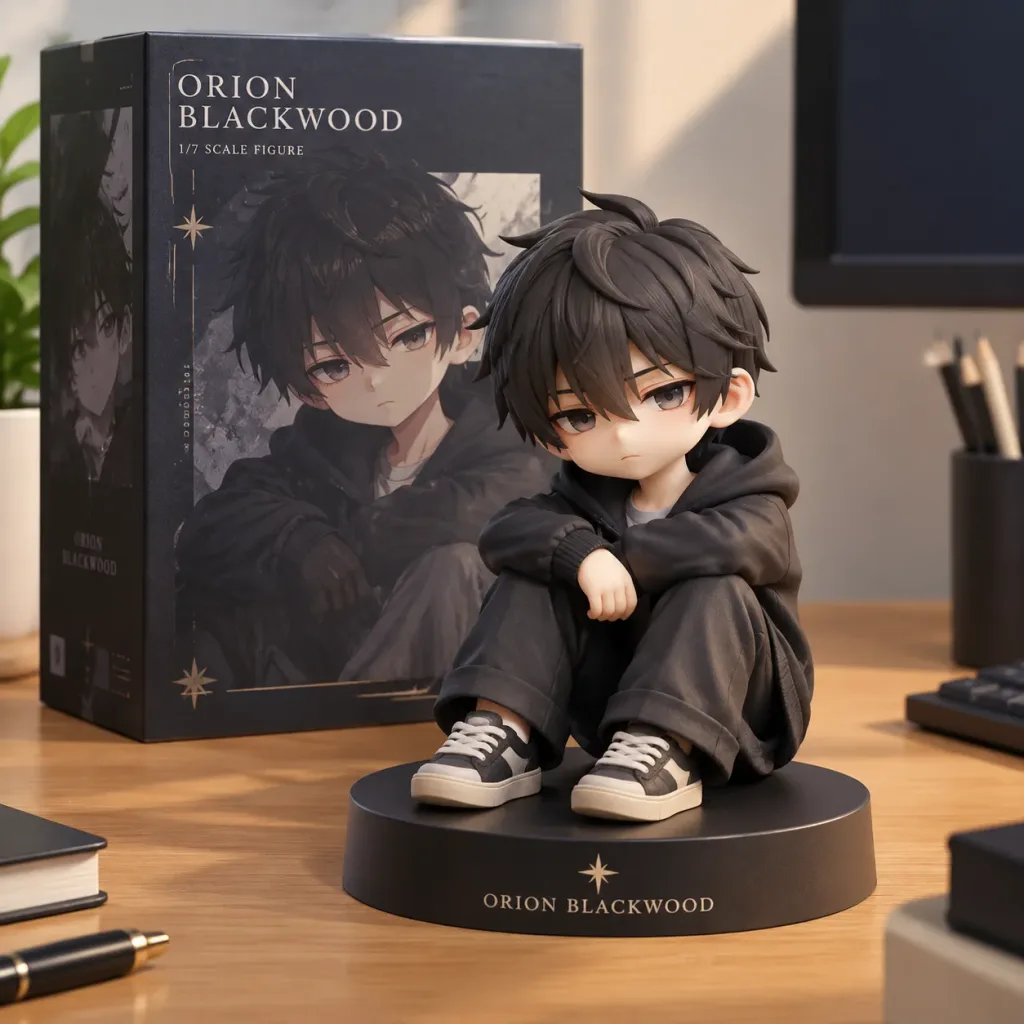
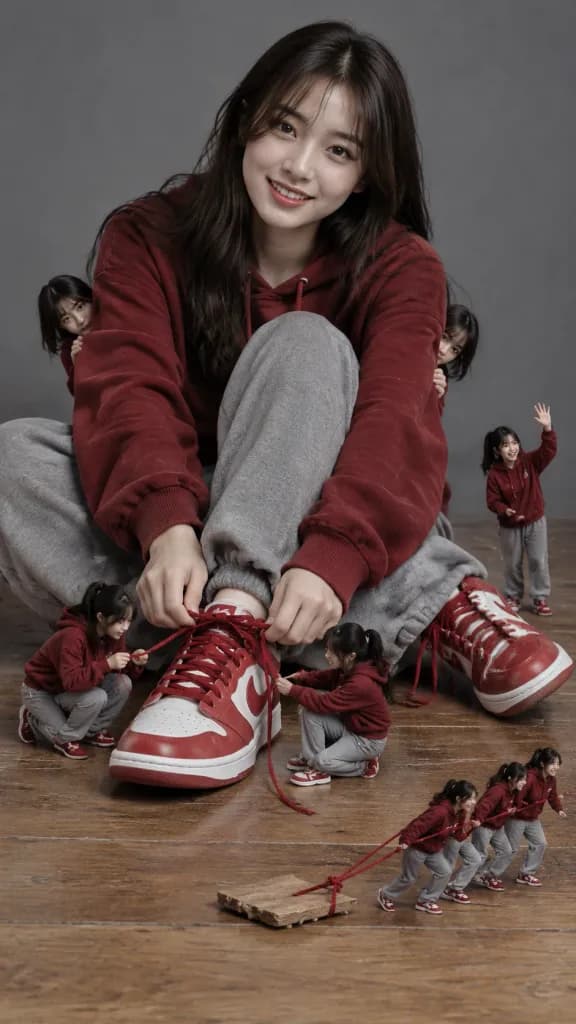
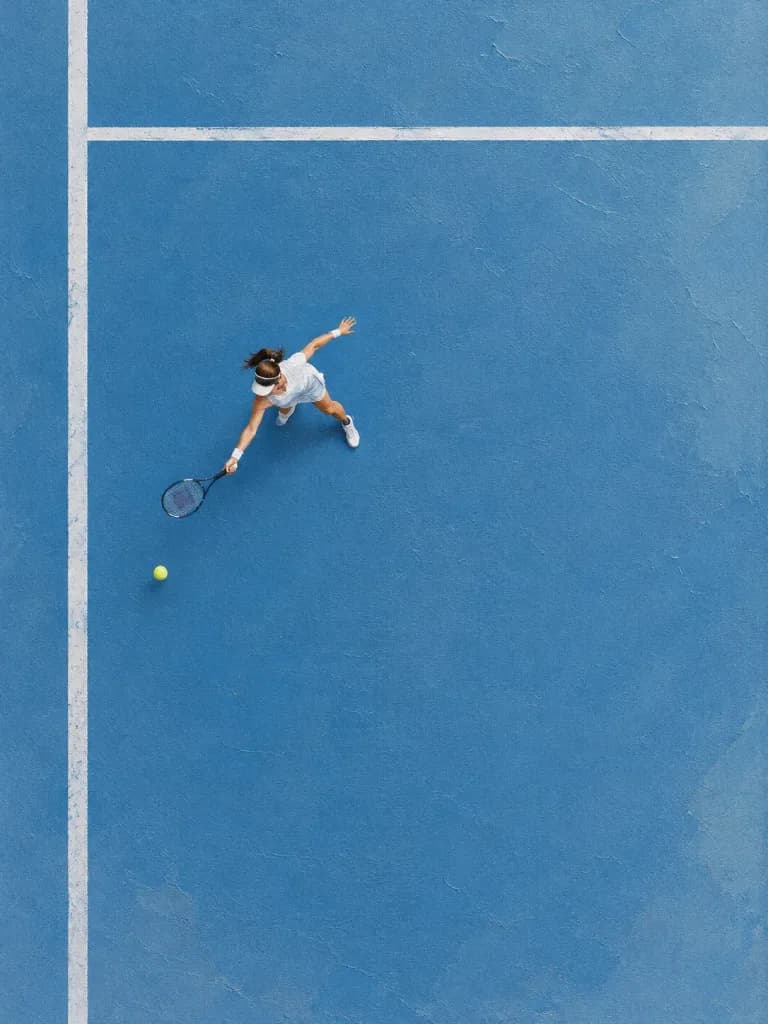
Create a high-end editorial art poster in a strict vertical 3:4 format, split horizontally into two equal halves with a seamless join or very thin divider.
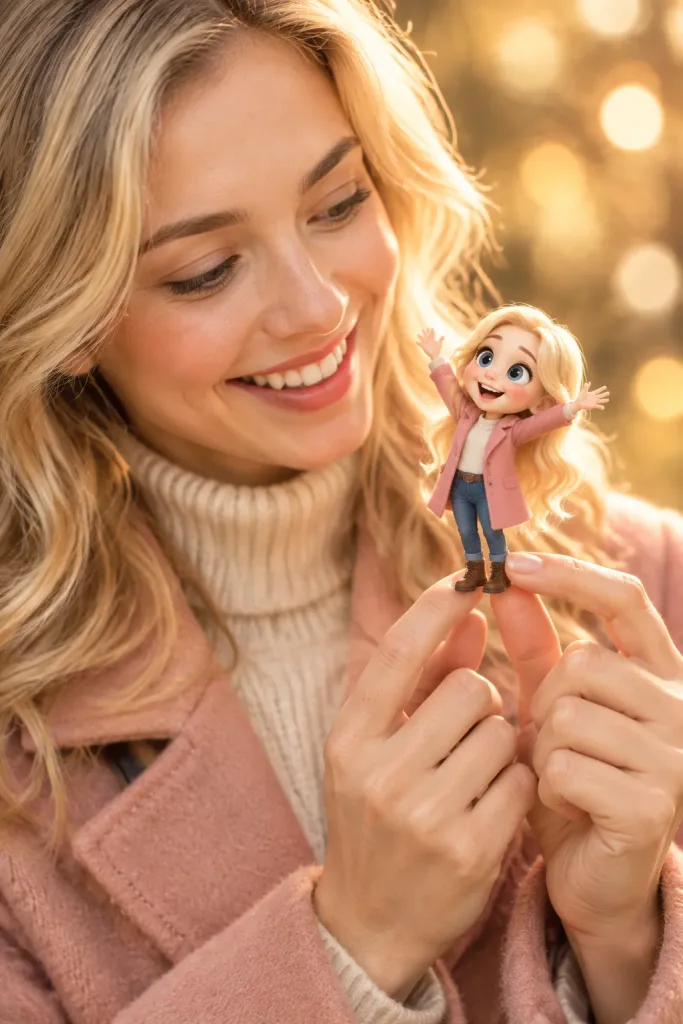
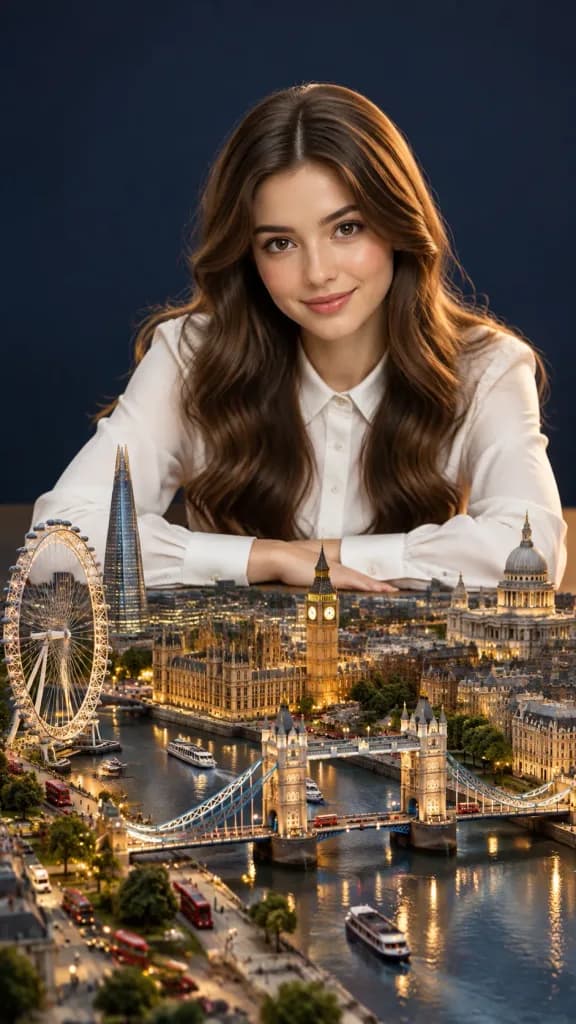
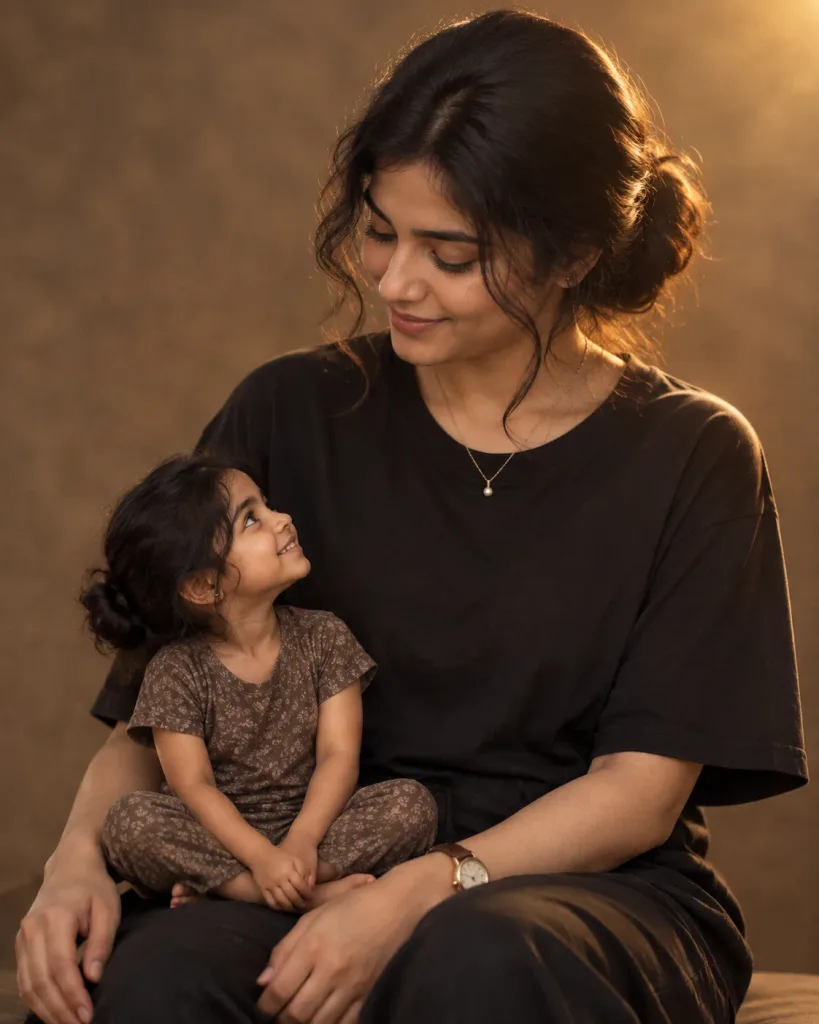
TOP HALF: [the reference photo]
Preserve the photograph faithfully: identities, faces, clothing, proportions, poses, expressions, and subject interactions remain unchanged. Apply a warm fine-art film grade with soft contrast, lifted shadows, warm highlights, natural vivid color, and subtle film grain. Extend the background naturally if needed, maintaining ample environmental space.
BOTTOM HALF: [impasto miniature world]
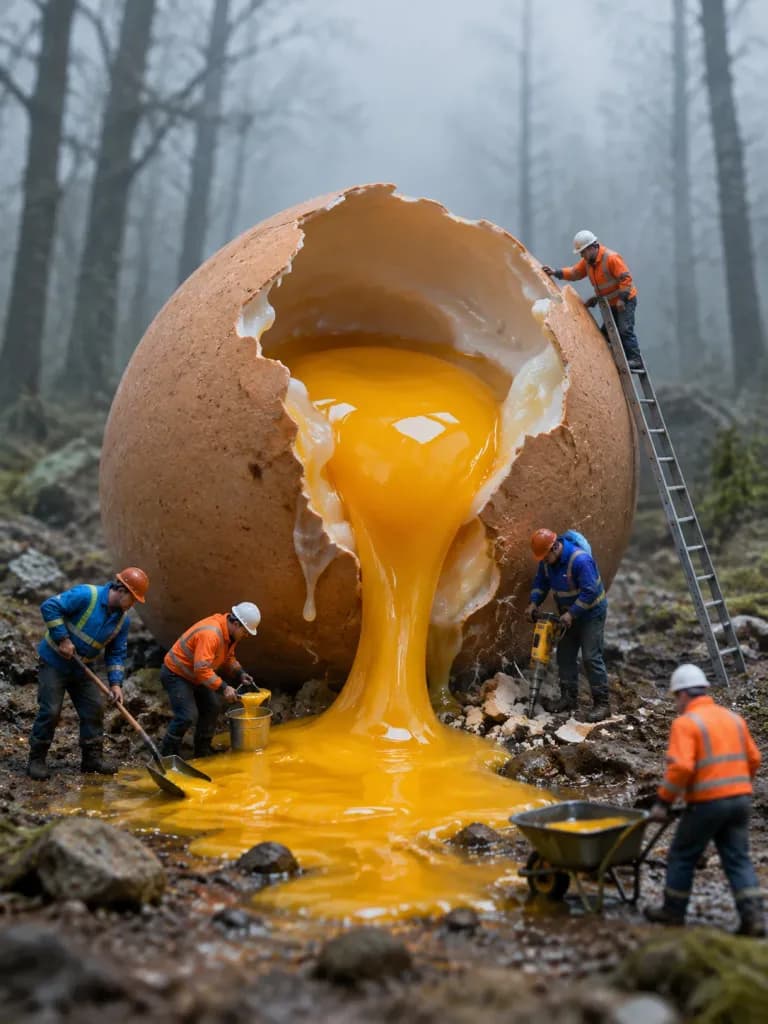
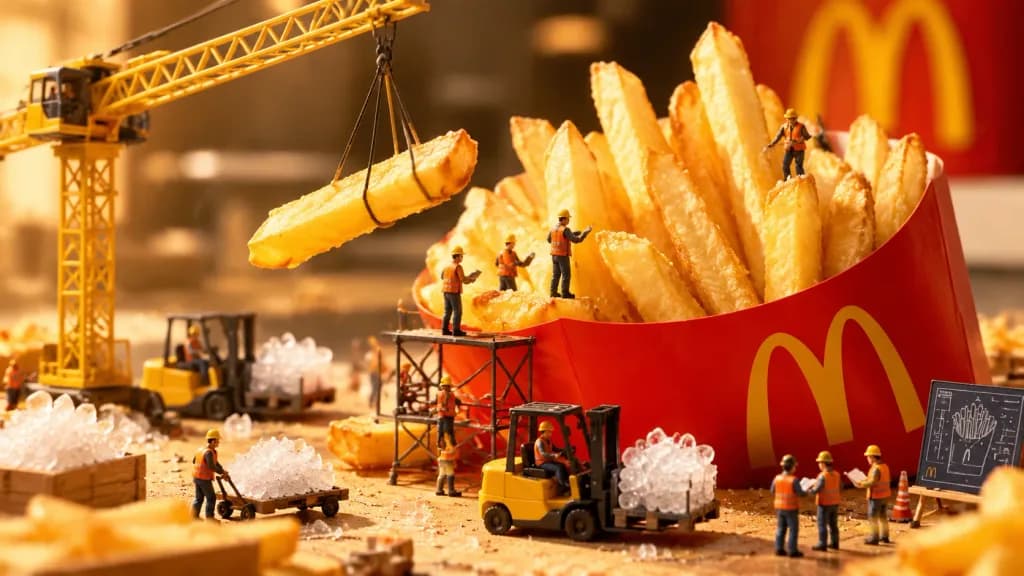
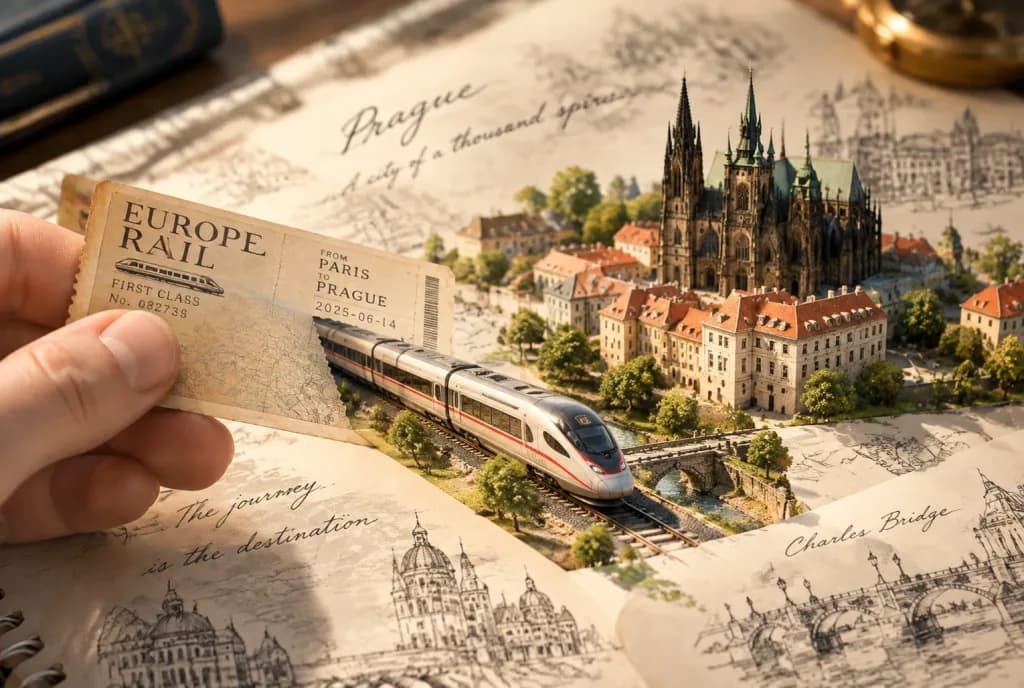
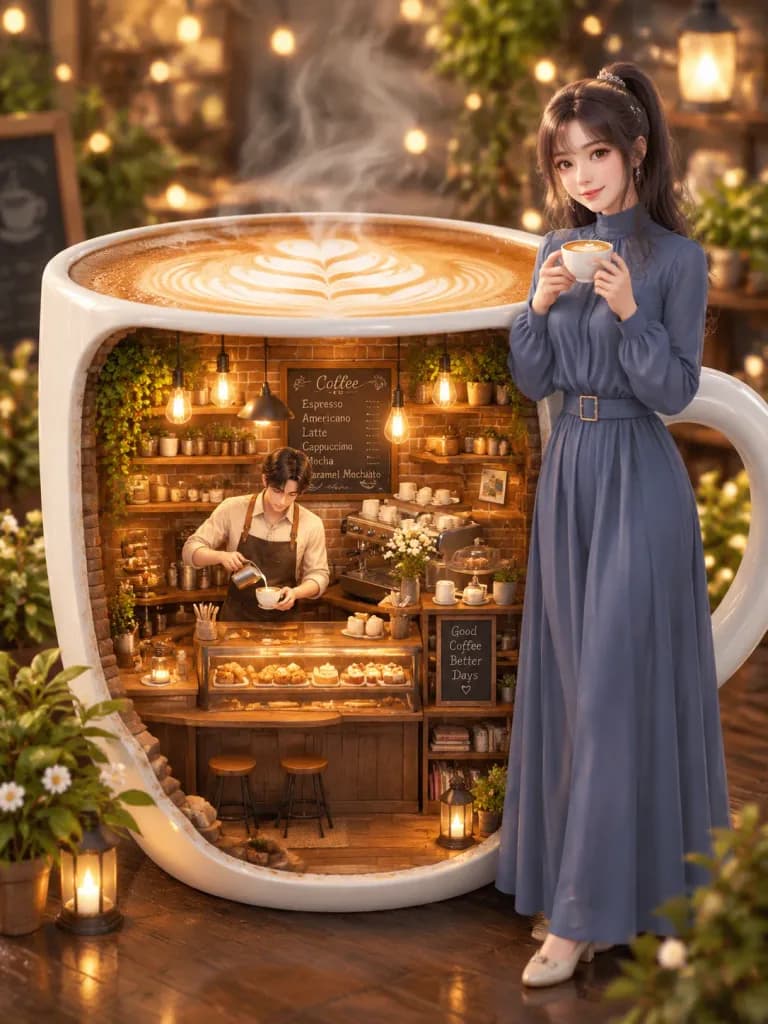
Reimagine the exact same scene as a poetic miniature diorama rendered in extremely thick impasto oil paint on pure white textured paper. Subjects are tiny and figurine-like, yet recognizable with matching poses, outfits, and key traits. The painting occupies 60–75% of the bottom half, floating within generous white negative space with soft, feathered, organic edges—never a rigid rectangular frame. Include sculptural palette-knife clouds, reflective water or paths, small flora, rocks, birds, and dreamlike atmospheric light. Paint is highly tactile, raised, and three-dimensional with visible knife strokes, ridges, and cast micro-shadows against visible paper grain.
TYPOGRAPHY:
Set elegant, understated typography strictly in the white margins: a [large handwritten calligraphy title], a short poetic subtitle, and a small reference catalog number in muted olive green, warm gray, or soft slate.
COLOR & MOOD:
Vivid, natural palette inspired by the photo: sky blue, lake blue, verdant green, warm yellow, coral, and cream. Sunny, fresh, warm, and dreamlike atmosphere.
Avoid: muddy tones, sepia, flat digital rendering, plastic 3D looks, hard borders, generic fonts, text overlapping subjects, or distorted anatomy.
posterimpastogeteiltes-bild