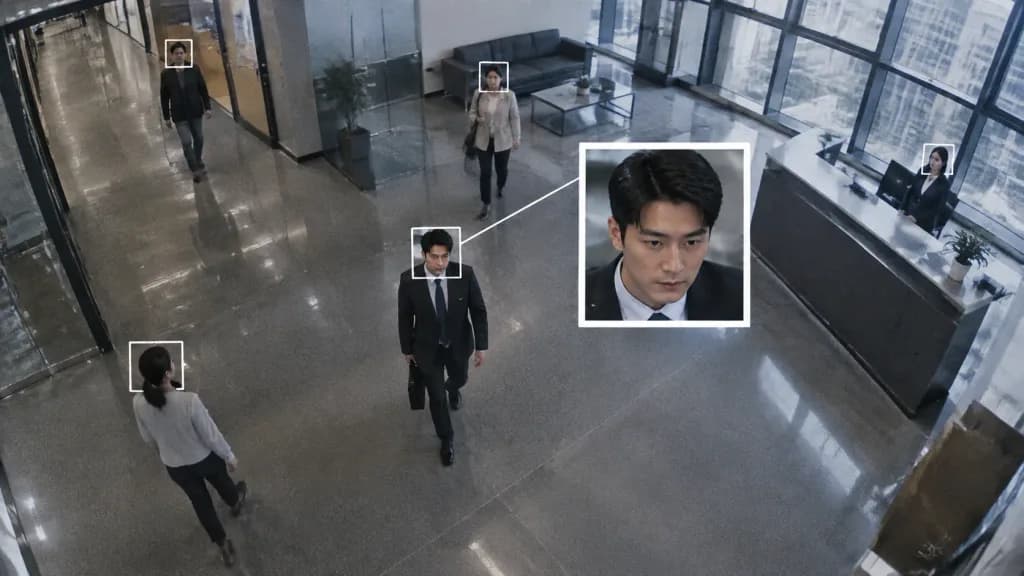
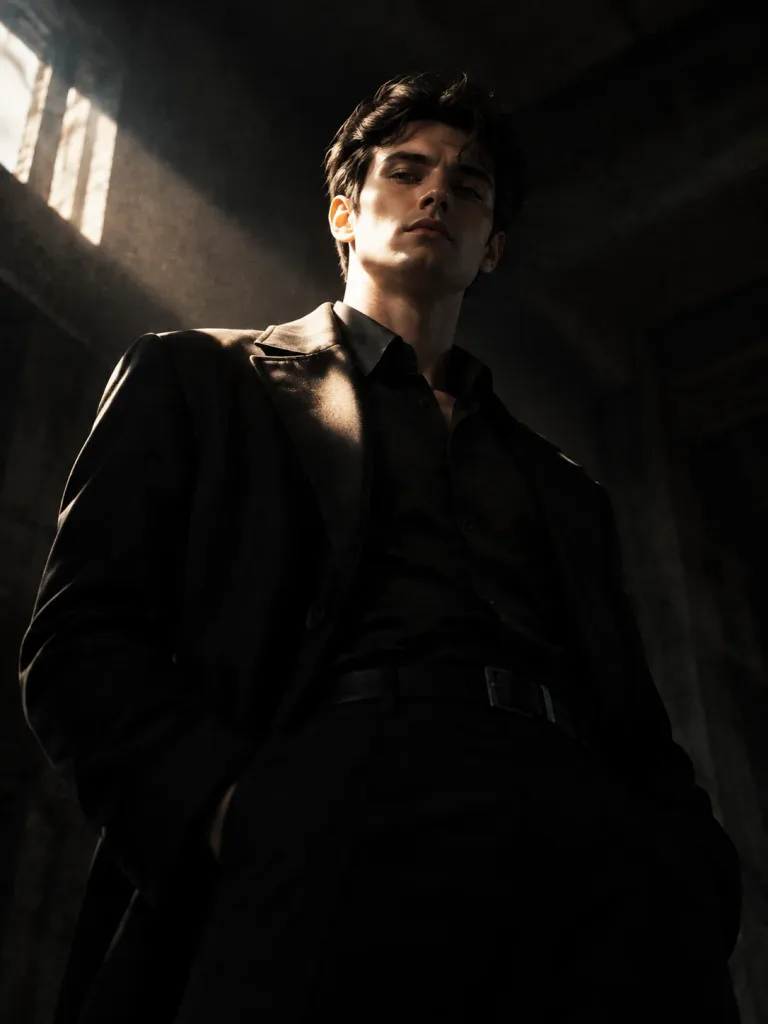
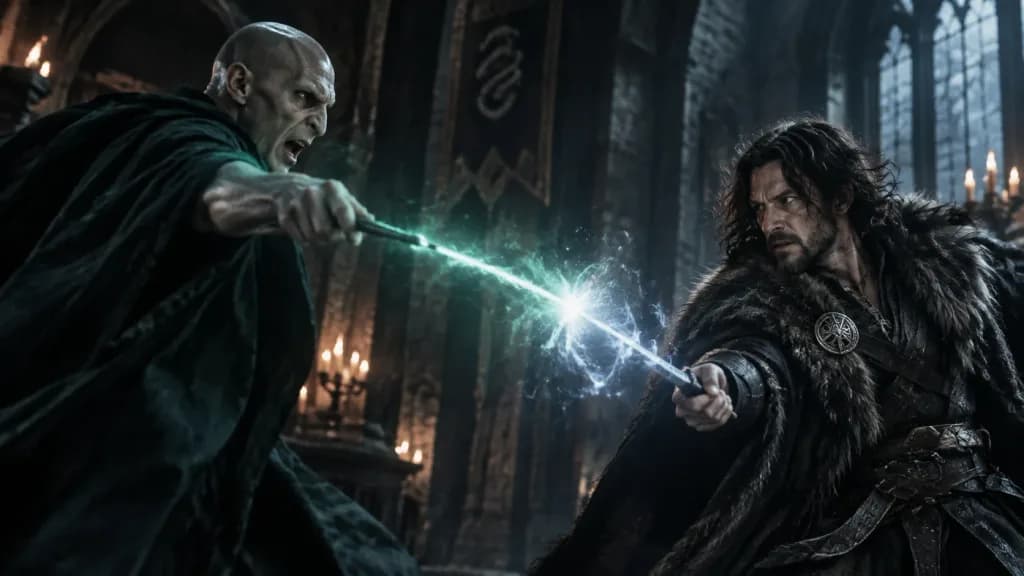
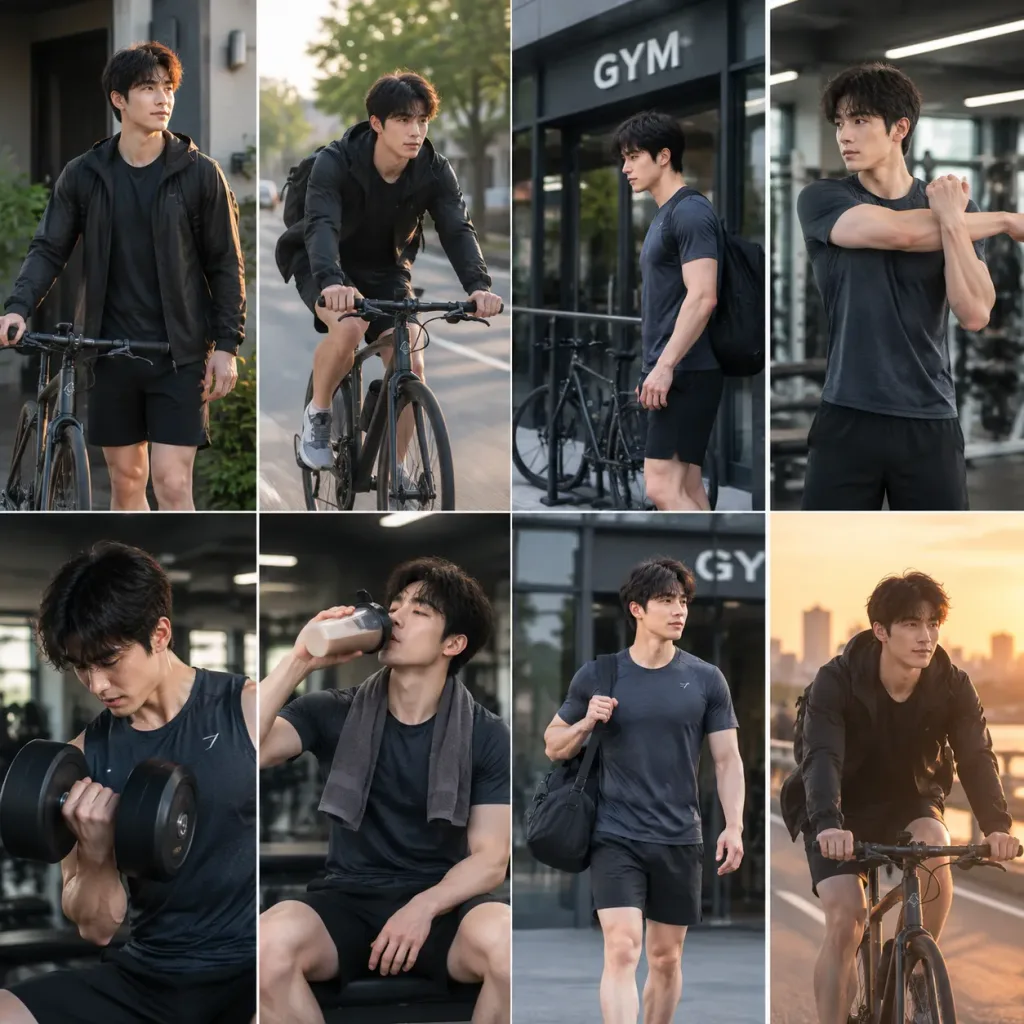
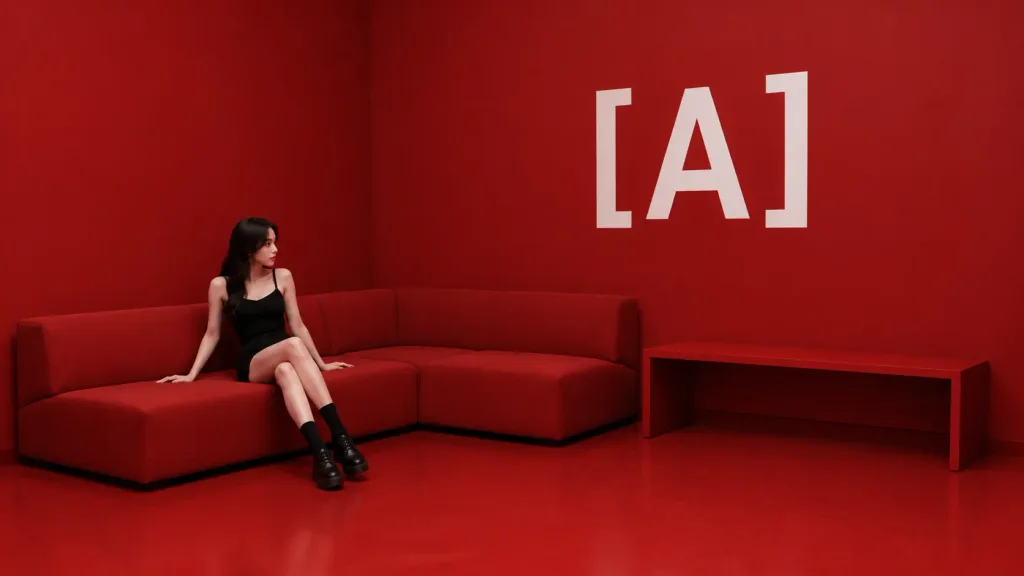
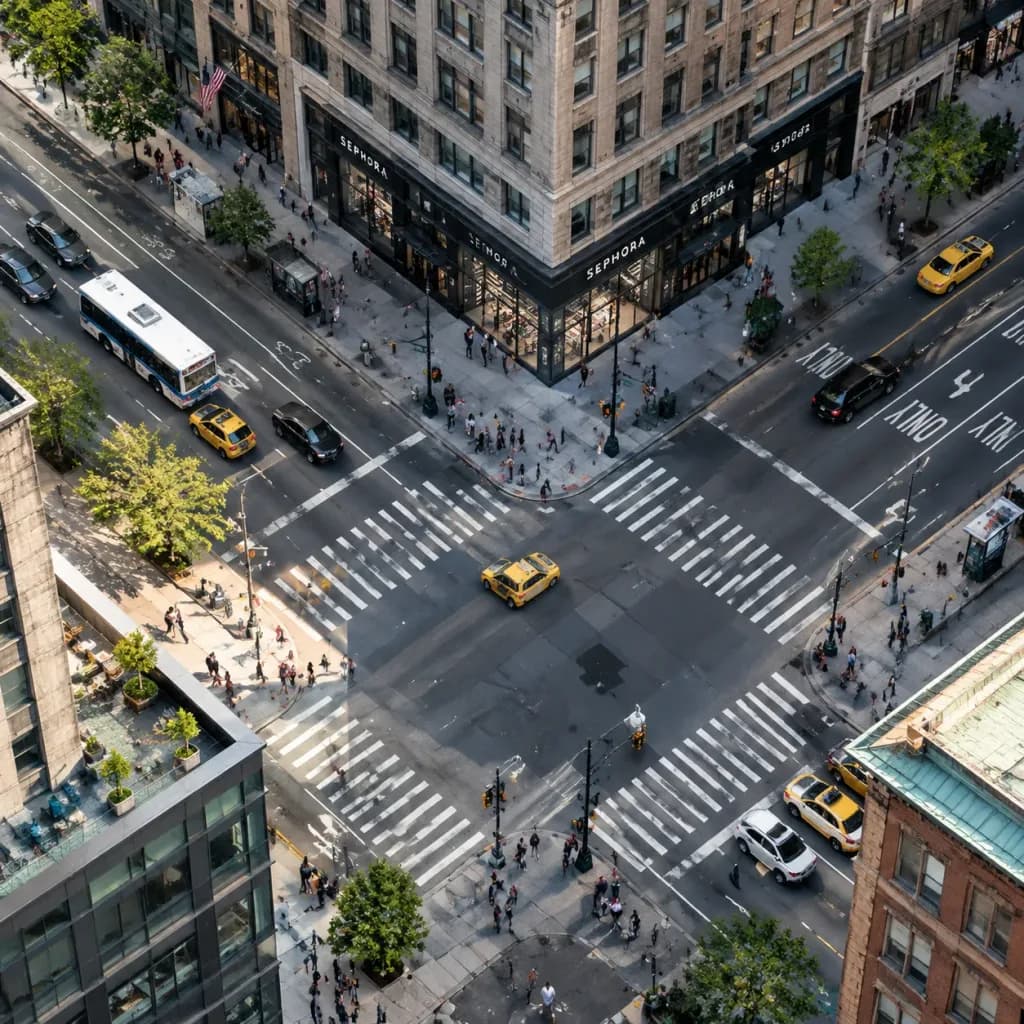
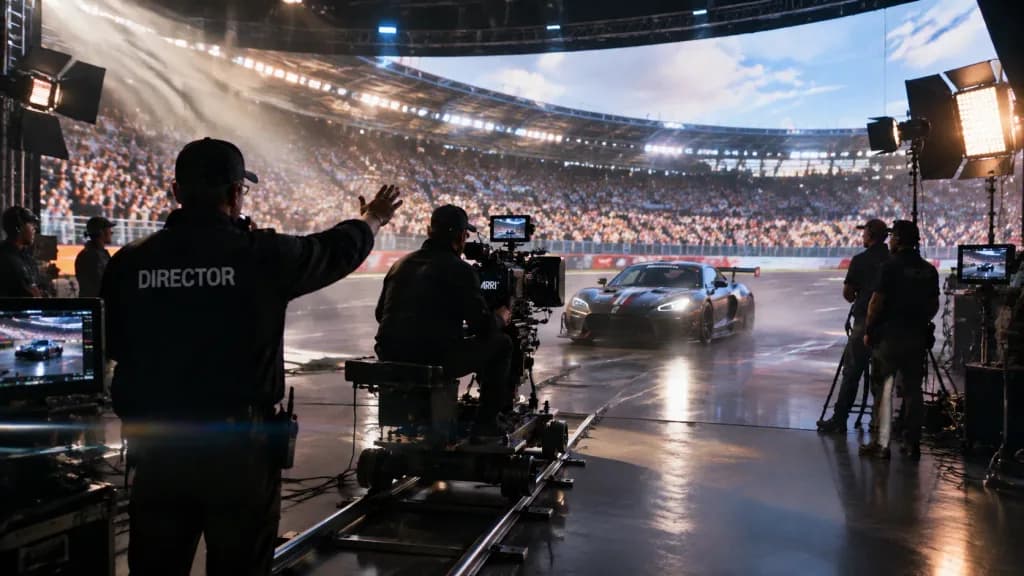
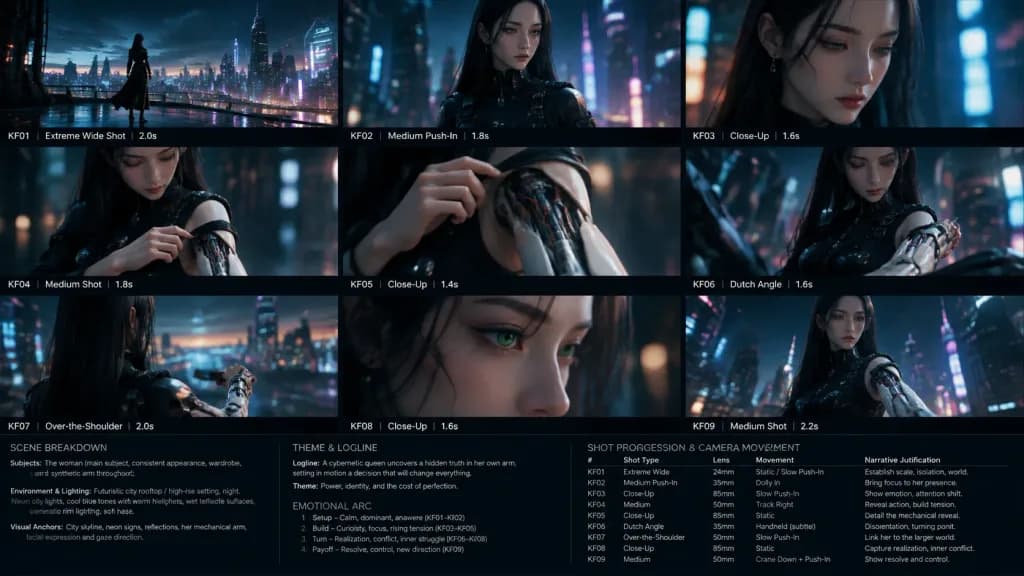
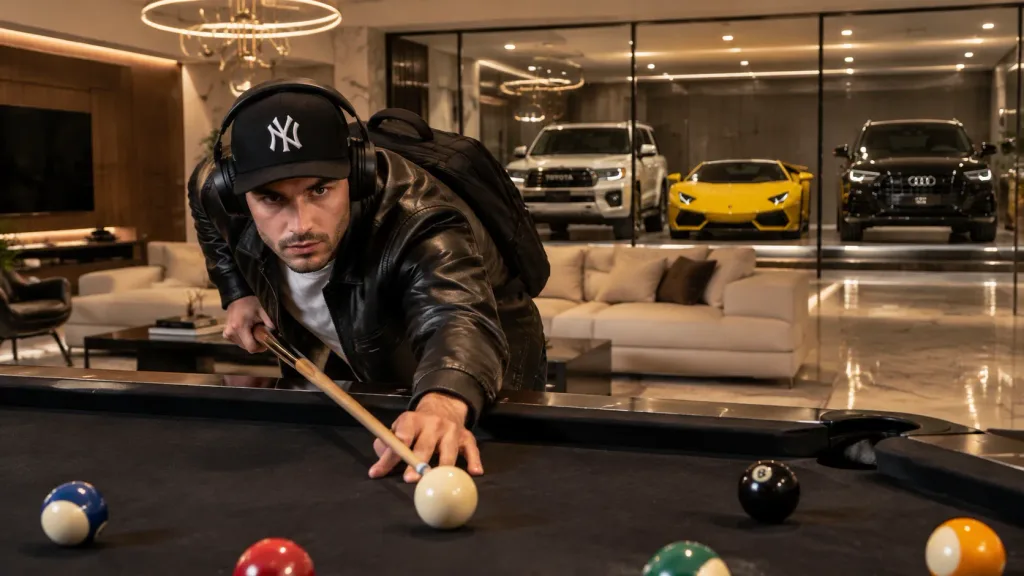
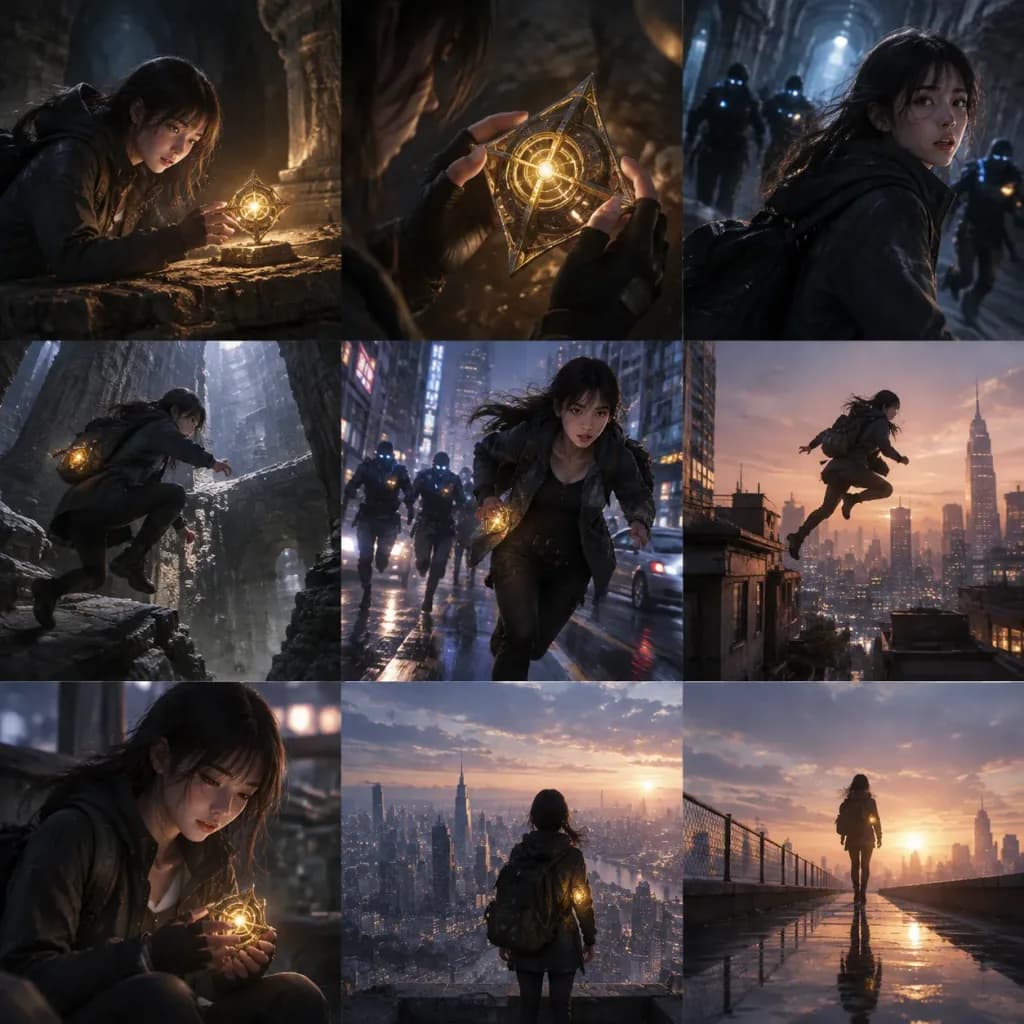
Cinematic storyboard contact sheet and director breakdown based on the reference photo.
Input: One reference photo.
Objective: Expand the reference photo into a cohesive 10–20 second cinematic sequence with a 4-beat emotional progression (Setup → Build → Turn → Payoff).
Rules & Continuity:
1. Strict continuity across all frames: identical subjects, wardrobe, environmental setting, time of day, lighting setup, and unified cinematic color grade.
2. Do not introduce new external characters or objects; imply external narrative elements via lighting, shadows, reflections, occlusions, or gaze.
3. Realistic depth of field: deep focus for wide establishing frames, shallow focus with soft natural optical bokeh for close-up shots.
4. Only camera perspective, blocking, framing, character expression, and physical action change between frames.
Deliverable:
1. Master 3x3 Storyboard Grid (9 keyframes in a single composite contact sheet image):
- Panel layout: 9 numbered shots (KF01 to KF09) arranged in a 3x3 grid.
- Each panel clearly labeled in a clean lower margin with Shot Number, Shot Type (e.g., Extreme Wide, Medium Push-In, Close-Up, Dutch Angle, Over-the-Shoulder), and Duration.
- Photorealistic textures, filmic grain, consistent anamorphic lens characteristics, and production-grade color grading.
2. Written Shot Breakdown:
- Scene Breakdown: Subjects, Environment & Lighting, Visual Anchors.
- Theme & Logline: One-sentence logline and theme statement.
- Emotional Arc: 4 narrative beats.
- Shot Progression & Camera Movement: Focal length (24mm/35mm/50mm/85mm), movement direction (track/dolly/crane/handheld micro-jitter), and narrative justification for each of the 9 keyframes.
cinematischstoryboardkeyframes