
Guia do modelo Nano Banana 2
Um guia prático para Nano Banana 2, o modelo Gemini 3.1 Flash Image Preview exposto em GPT Image Hub para geração de 1K, 2K e 4K com fluxos de trabalho de referência maiores.
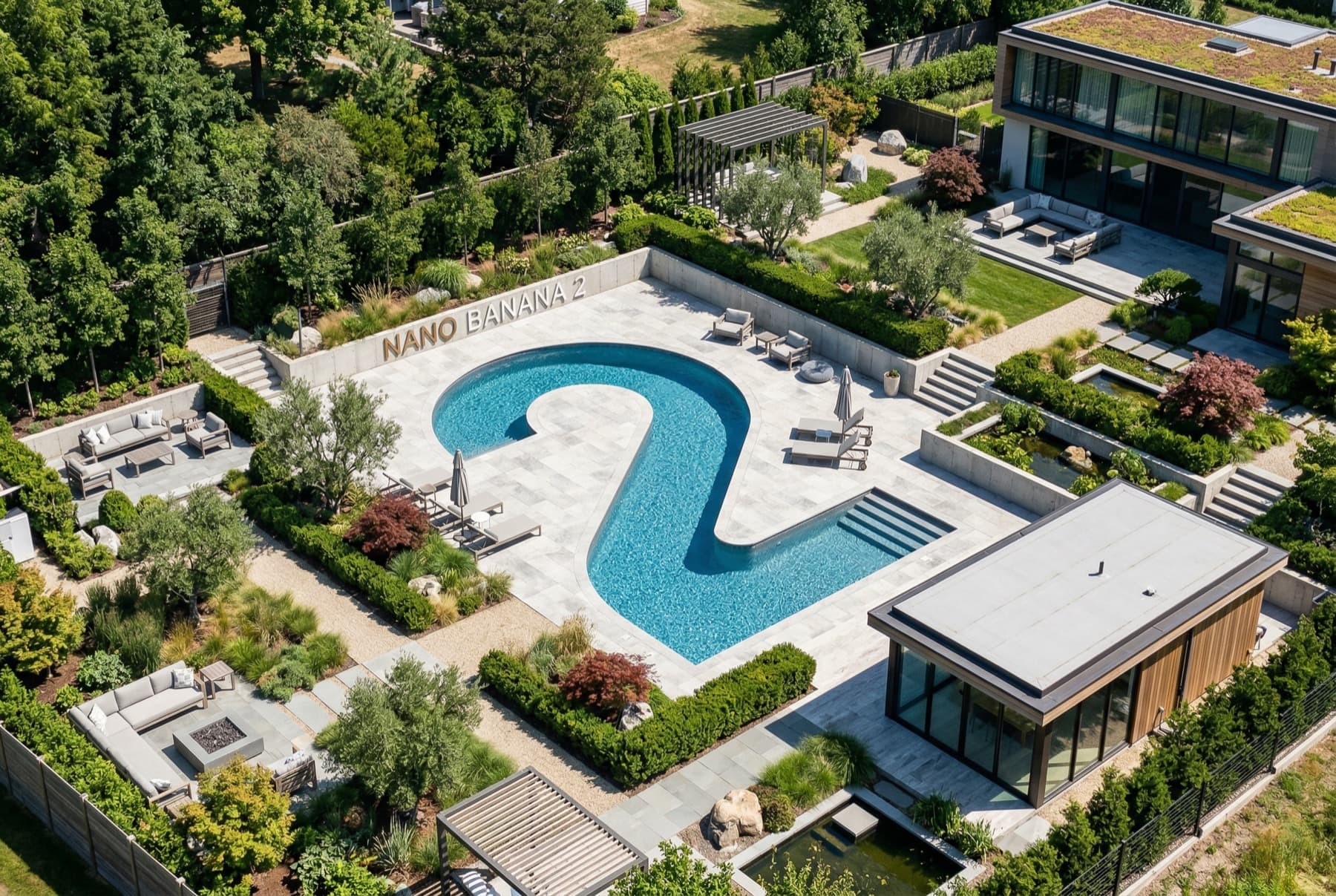
Nano Banana 2 é a escolha equilibrada de Gêmeos em GPT Image Hub. Ele oferece suporte às camadas 1K, 2K e 4K no aplicativo, mantém o fluxo de trabalho rápido no estilo Flash e permite até 14 imagens de referência. Escolha quando Nano Banana for muito limitado, mas Nano Banana Pro for mais do que a tarefa precisa.
Exemplos visuais
Exemplos visuais
Um ambiente sofisticado e claro, adequado para viagens ou campanhas SaaS.
Cena de viagem isométrica
Um ambiente sofisticado e claro, adequado para viagens ou campanhas SaaS.
2K cena isométrica da piscina, água azul-turquesa, pequenas espreguiçadeiras, sem texto.Saída da placa de marca
Quatro conceitos de estilo de vida de produtos alinhados a um sistema de referência.
Use referências como quadro de marca; mantenha paleta cítrica e sombras suaves.Escada de resolução
Um caminho limpo desde o rascunho até a revisão e a exportação final.
Gere a visualização de 1K, a revisão de 2K e, em seguida, o herói da campanha final de 4K.Melhores casos de uso
- Conjuntos de conceitos de campanha, imagens de maquete de interface do usuário, miniaturas de criadores e cenas de estilo de vida de produtos.
- Edições com muitas referências, onde 3 imagens de entrada não são suficientes.
- Fluxos de trabalho do rascunho ao final em que o mesmo prompt precisa de visualizações de 1K e exportações de 4K.
- Experimentos imediatos centrados em Gêmeos que precisam de mais detalhes do que Nano Banana.
Onde ter cuidado
- Tarefas que exigem o raciocínio Gemini mais forte e a renderização de texto; use Nano Banana Pro para isso.
- Rascunhos rápidos únicos onde Nano Banana é suficiente.
- Fluxos de trabalho específicos de OpenAI que exigem comportamento GPT Image 2 ou muitas proporções não-Gemini.
Pontos fortes
Modelo balanceado para geração de imagens Gemini de alta qualidade sem ir direto para o modelo de imagem Pro.
Suporta níveis 1K, 2K e 4K em GPT Image Hub.
Permite até 14 imagens de referência, suficientes para painéis de estilo, conjuntos de ângulos de produtos e pacotes de direção visual.
Adequado para modelos de prompt repetíveis que precisam de um ciclo de produção mais rápido.
Casos de uso
Rascunhos de produção balanceados
Um caminho intermediário forte para revisões de 1K, aprovações de 2K e entrega de 4K.
Cenas ricas em referências
Use quadros visuais maiores sem mudar imediatamente para um modelo Pro.
Repetibilidade do modelo
Execute a mesma estrutura de prompt em produtos, campanhas ou categorias.
Fluxo de trabalho
Visualização em 1K
Mova-se rapidamente enquanto testa o layout e a direção da campanha.
Revisão em 2K
Inspecione detalhes, consistência de estilo e hierarquia visual.
Entregar em 4K
Use 4K quando o prompt já tiver provado a direção certa.
Solicitando orientação
- Use intenção de saída explícita: rascunho de conceito, herói final, edição, transferência de estilo ou conjunto de variantes.
- Funções separadas de imagem de referência: referência de assunto, referência de estilo, referência de material, referência de layout.
- Solicite câmera e iluminação consistentes ao gerar vários ativos para a mesma campanha.
- Use 2K como nível de revisão quando 1K oculta muitos detalhes, mas 4K ainda não é necessário.
Solicitações prontas para cópia
Crie uma cena de piscina isométrica 2K para um aplicativo de reserva de viagens, azulejos de cerâmica brilhantes, água azul-turquesa, pequenas espreguiçadeiras, composição limpa e pronta para anúncio, sem texto.
Use as referências como um quadro de marca. Gere quatro conceitos de estilo de vida de produto correspondentes para uma garrafa reutilizável, paleta cítrica, balcão de cozinha matinal e sombras suaves consistentes.
Gere um visual principal da página de destino 4K para uma biblioteca de prompts de IA, cartões de prompt lado a lado flutuando em torno de uma tela de imagem central, estilo SaaS sofisticado, fundo escuro, detalhes em laranja.
Exemplos visuais
Fontes oficiais
Perguntas frequentes
Qual a diferença entre Nano Banana 2 e Nano Banana?
Em GPT Image Hub, Nano Banana 2 adiciona níveis de qualidade 2K e 4K e aumenta o limite da imagem de referência de 3 para 14, tornando-o melhor para rascunhos de produção sérios.
Nano Banana 2 é um modelo Pro?
Não. Nano Banana 2 mapeia para Gemini 3.1 Flash Image Preview neste aplicativo. Use Nano Banana Pro quando desejar especificamente o caminho Gemini 3 Pro Image.
Com que qualidade devo começar?
Comece com 1K para composição, passe para 2K para revisão e reserve 4K para resultados finais ou verificações detalhadas de detalhes.
Utilize este modelo
Comece com um modelo de prompt ou compare os modelos primeiro
Use o gerador quando você já conhece o modelo ou compare todos os modelos suportados quando o prompt precisar de um equilíbrio diferente de velocidade, detalhes e entradas de referência.